
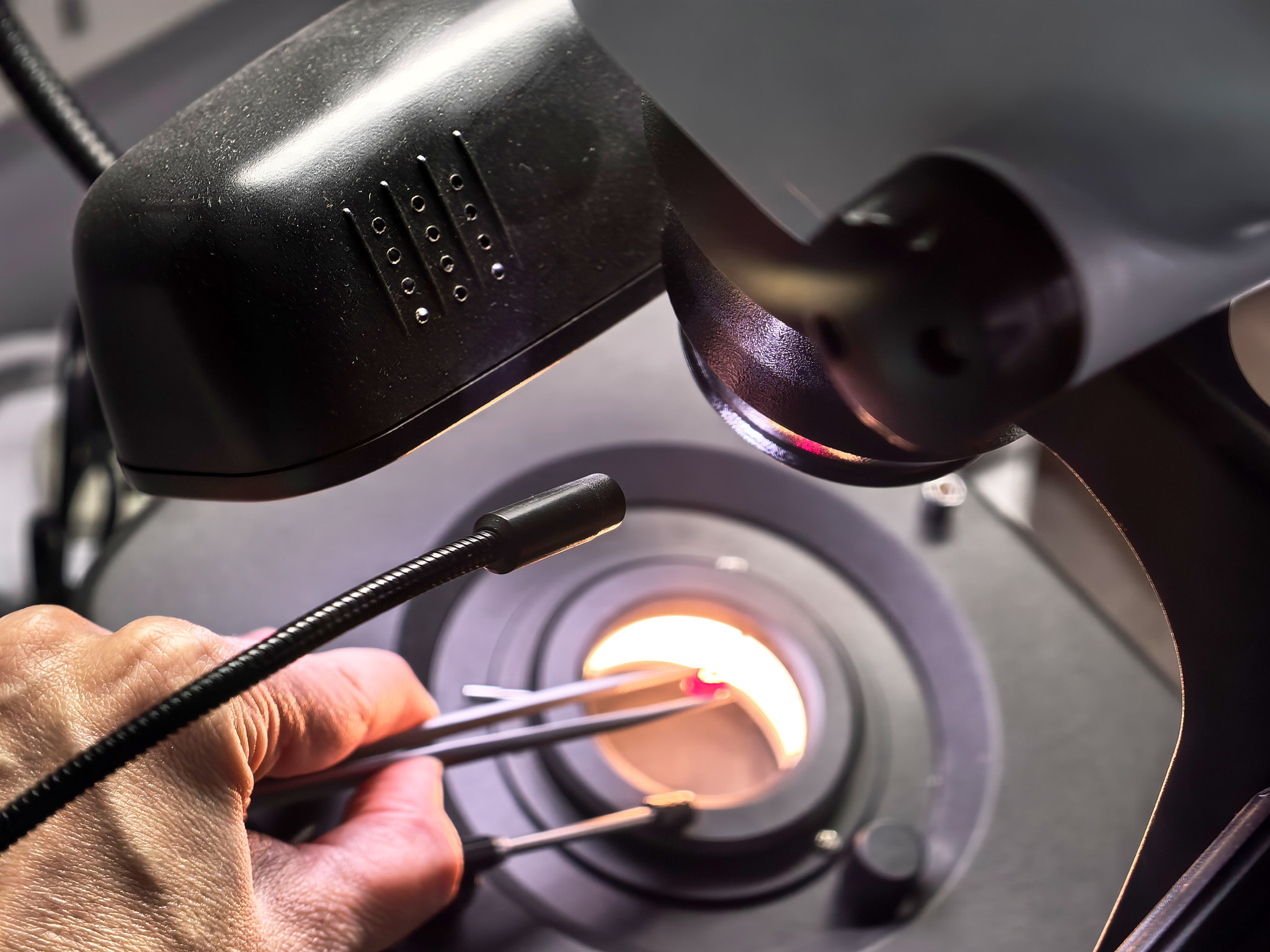
The gemstone market has long operated in two parallel realities: admiration for natural beauty and technology that can bring that beauty out, improve it—or… imitate it. Treatments and enhancements are not inherently “bad.” The problem begins when they are not disclosed, are not durable, significantly affect value, or mislead the customer.
In this series of articles, we discuss four of the most common gemstone treatment methods: heat treatment, fracture filling, irradiation, and coating—from a practical gemmological perspective: why they are used, how they affect the stone, what risks they carry, and how we detect them in our laboratory.
Why are gemstones treated at all?
The gemstone market is largely a market of rarity, and rarity means a stone has a set of qualities people consider especially desirable: the right color, high transparency/clarity, good “life” (the way it interacts with light), and durability that makes it safe to wear in jewelry. The thing is, nature rarely provides everything at once. Many mined stones have the potential to be considered rare and beautiful from a market perspective, but they also show features that reduce their value—too light a tone, greyness, a brownish component, milkiness, numerous fractures, uneven color distribution, or inclusions that reduce brilliance.
That’s why gemstone enhancement is, in practice, an answer to a very specific problem: how to separate, from abundant rough, a fraction that will look like premium material. Treatments can bring out an attractive color, reduce the visibility of fractures, or improve the impression of clarity—and this translates into two things that drive the market: aesthetics and saleability. A stone with an “almost good” color can, after heat treatment, enter the jewelry segment, whereas without treatment it might end up in other applications. Similarly, a fractured stone can look beautiful once set after filling and no longer discourage customers with bright “veins” inside.
There is also the industry’s economics and logistics in the background. Treatments increase so-called yield—the proportion of material that can be sold as an attractive product. This is especially important for stones where extraction is costly and high-quality specimens make up only a small percentage. Thanks to enhancements, the market can offer good-looking stones across a wider price range: some clients consciously choose treated material because, within a given budget, it delivers the best visual effect. By contrast, the collector and investment segment often looks for stones “untouched,” because that is where you are paying for natural rarity.
And finally, enhancement is sometimes used not only to “beautify” a stone but also to align it with fashion. Demand for specific shades (e.g., vivid blues, clean reds, on-trend hues) rises in waves. Treatment technologies make it possible to meet the market at the height of a trend, even if nature is not currently producing enough stones in the ideal color.
The key takeaway, however, is this: treatments are not black and white. They can be an honest market practice—provided they are disclosed and the client understands the implications. The problem begins when an enhancement:
- is not durable (e.g., a coating that may wear off),
- significantly changes the stone’s commercial identity (e.g., intensive filling),
- limits servicing options (heat, ultrasonic cleaning),
- or is not disclosed while the price suggests naturally “higher-grade” material.
This is why professional trade increasingly focuses not only on the question, “Is the stone beautiful?”, but rather, “Why is it beautiful—and is that information transparent?”
Heat treatment – what it is and what it actually changes in a stone
Heat treatment is one of the most common and also one of the most “classic” – methods of improving the appearance of gemstones. In practice, it involves controlled heating of the material (either rough or an already cut stone) to induce changes in the crystal structure or in the state of trace elements responsible for color and transparency. It may sound alarming, but it is worth clarifying this straight away: heat treatment is not the same as forgery. It is, however, an intervention that can have a significant impact on value – especially when it is not disclosed.
You will most often encounter it in the corundum family, i.e., sapphires and rubies. In these materials, color and “optical cleanliness” can often be improved precisely through temperature: unwanted tones can be reduced, color saturation can be enhanced, or the appearance of haziness can be diminished. Put simply, the market prefers cleaner, more saturated colors, and nature produces many stones that are “potentially” beautiful – they just need a little help to reveal that potential.
What can heat treatment improve?
Depending on the gemstone and its initial quality, heat treatment may be used to:
- strengthen or “set” the color (e.g., achieve a more attractive blue hue in sapphire),
- reduce milkiness or haze (when the stone looks as if it has a misty veil inside),
- improve transparency by changing the appearance/behavior of certain inclusions,
- enhance the look of stones that would otherwise be more difficult to sell commercially.
And an important nuance: it’s not that a stone “turns from nothing into something.” Most often, it’s a shift towards a better version of what was already there – although the scale of the effect can sometimes be significant.
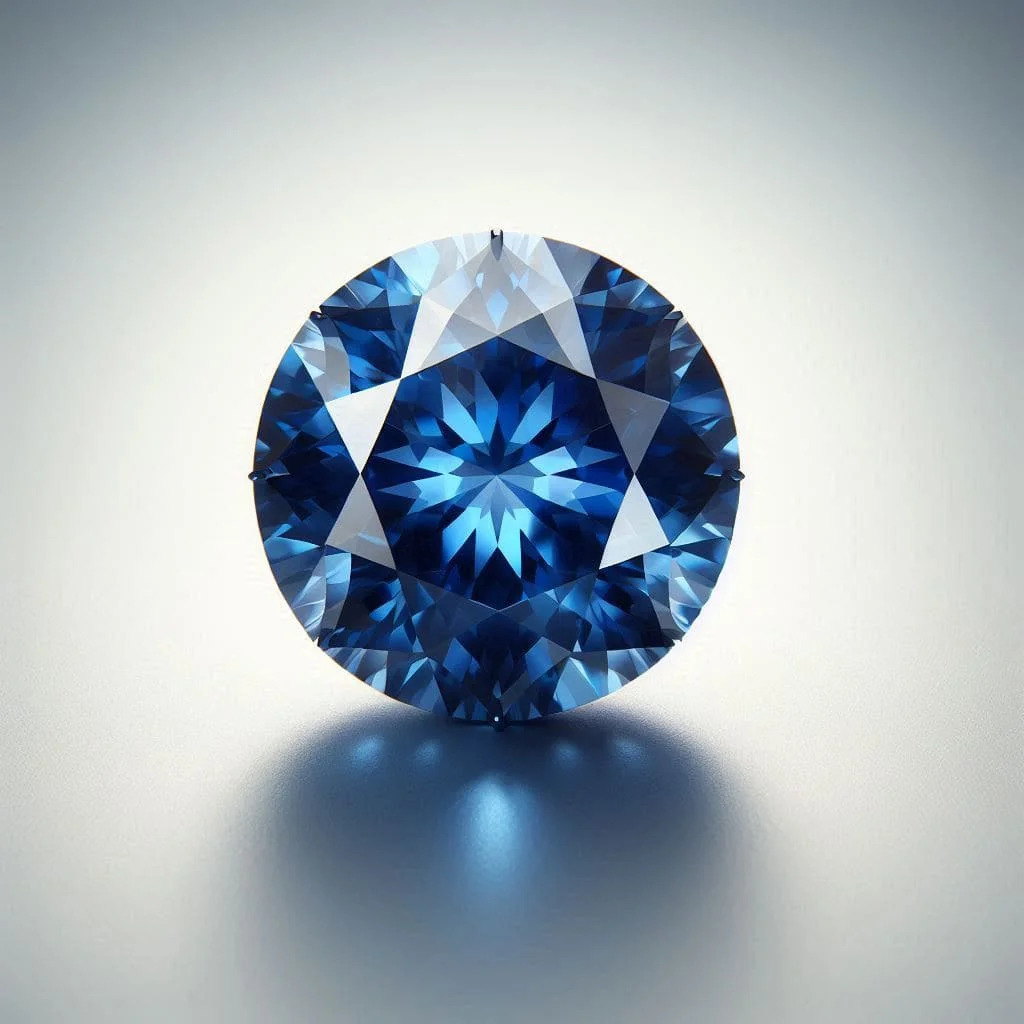
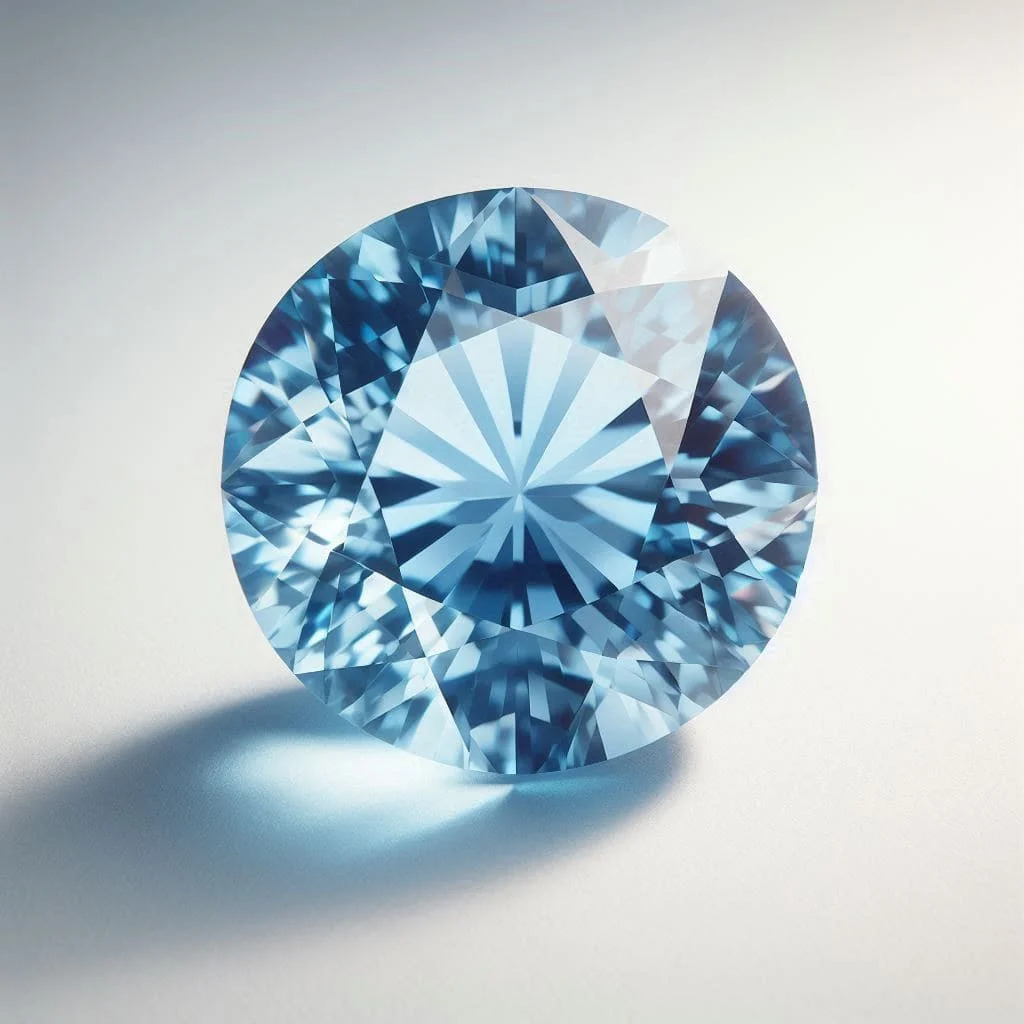
Source: https://gemadda.com/
Is heat treatment permanent?
In most cases, the effect is permanent under normal use. This is one of the reasons why the market treats heat treatment differently from methods such as coating or some types of filling. However, “permanent” does not mean “insignificant”:
- heat treatment may increase attractiveness, but at the same time reduce rarity (a “no heat” stone is statistically harder to find),
- in collector and investment stones, the statement “unheated” is often crucial.
How does heat treatment affect value?
That depends on the market context, but a simple rule of thumb applies:
- if two stones look comparable, the unheated one will usually be more expensive (because it is rarer),
- a heated stone can be high quality and visually beautiful, but its price should reflect the fact that it has been treated.
The biggest problems arise when a heated stone is sold as “natural and untreated” or when the client is not given clear information about what they are actually buying.
Summary
Heat treatment is one of those enhancements that best illustrates the “dual nature” of the gemstone market. On the one hand, it is a standard, widely accepted practice that can bring out the best version of a stone. On the other, it is an intervention that has a real impact on rarity—and therefore on commercial value.
In most cases, the effects of heat treatment are stable and safe in everyday jewelry use. That does not change the fact that treatment disclosure is not a mere “technical detail”, but one of the key quality parameters – especially in the premium, collector, and investment segments. Two stones may look almost identical, yet differ significantly in price if one of them is “no heat.”
That is why, in practice, the most important question is not whether heat treatment is good or bad, but whether it is disclosed and whether the price is consistent with it. Transparency is the foundation of fair trade today: the client has the right to know why a stone looks so good and what that means for its value, rarity, and future servicing.
In the next article, we will move on to another equally common enhancement method – filling: when it is acceptable, when it can be risky, and what the most common pitfalls are when assessing such stones.